This case study is meant to illustrate what the reinterpretation of one house museum looks like. By no means is this meant to be a one-to-one translation to other historic sites. Remember that no two house museums have the same history, collection, or physical components.
Outlined here are a handful of aspects of the Owens-Thomas House & Slave Quarters in Savannah, Georgia, in the hopes of inspiring future interpretations at your own museum. Included here is a general overview, the dining room, the entrance hall, and the garden. Tours of this site include many more rooms and spaces, but these brief descriptions should provide a good starting point for beginning your own interpretations.
The Owens-Thomas House & Slave Quarters opened as a museum in the 1950s. Until the 1990s, there was little to no interpretation of the enslaved people who lived here with the owners of the house. Tours were limited to the main house until the late 1990s when the carriage house was opened to the public. Visitors learned about the architecture, the architect, the furnishings within the house, and the elite White families who owned the property.
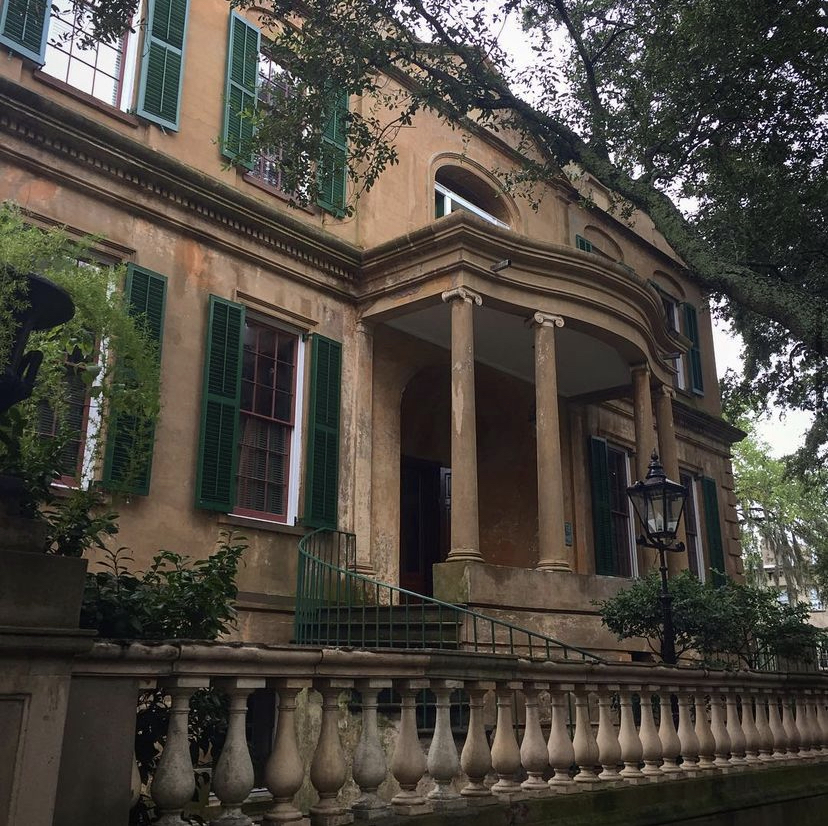
In 2018 the museum completed a full reinterpretation so that visitors to the site had a better, more holistic understanding of its full history. The “regular” tours visitors now receive include the lives and stories of everyone who was a part of the history of this site. In every space the tour includes, visitors are given insight into all possible perspectives for the historical figures who existed within those spaces (within the given time period the museum is focused on).
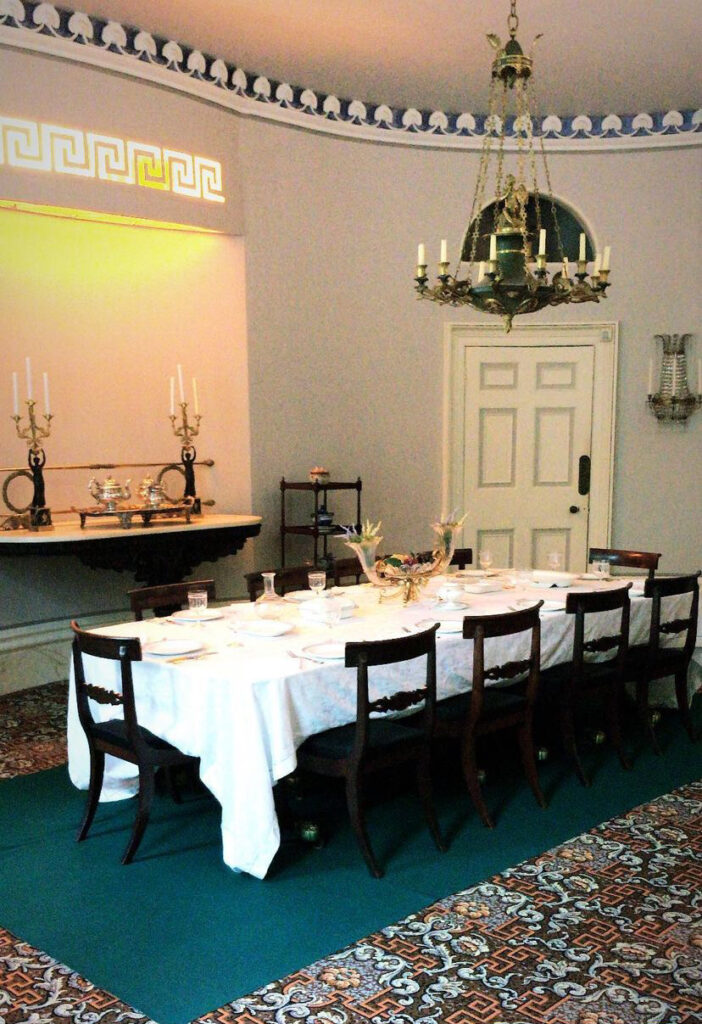
Before the Owens-Thomas House became more comprehensive in the history it shared with visitors, tour guides commonly talked about the elaborate meals the family enjoyed in the dining room, the unique rounded walls of the space, the crown molding, or the time George Owens (one of the owners) entertained then-President of the United States James Polk.
When including the perspectives of enslaved people within this space, visitors now learn of a man named Peter, the enslaved butler to the Owens family. Including him in the context of this room adds depth by allowing visitors to consider his experience serving dinner while political conversations were taking place around the table. Including Peter in the narrative still allows for the discussion of architecture while adding value to the stories being told.
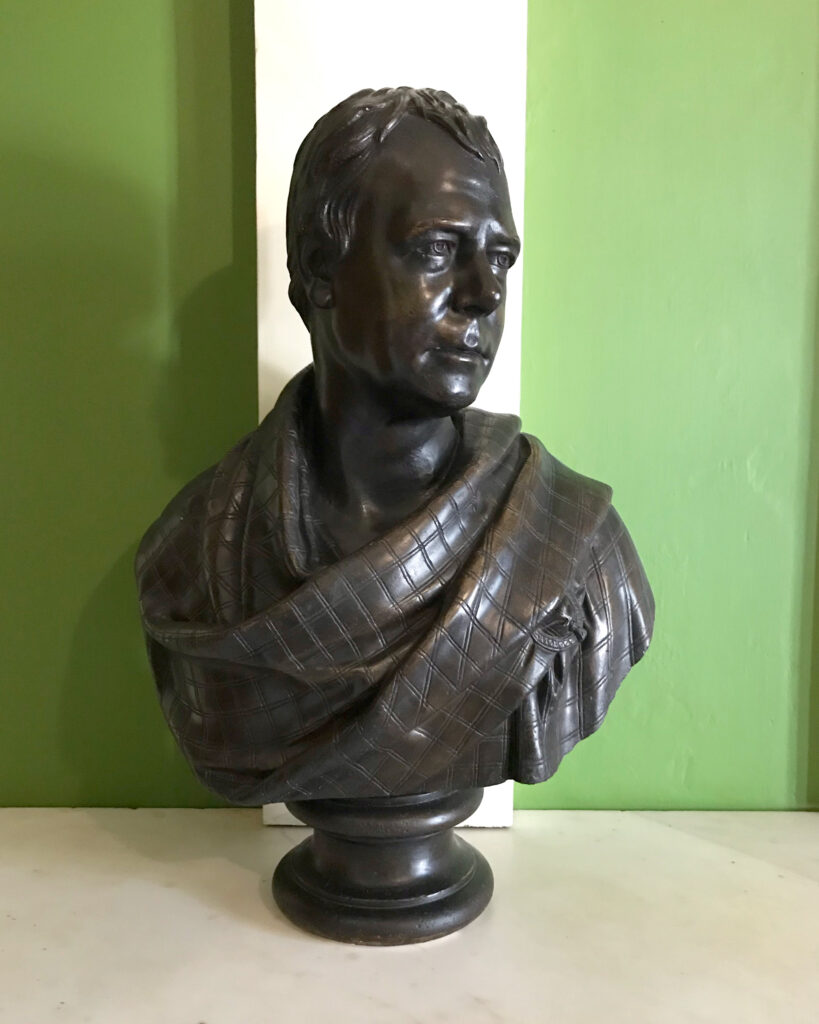
These two busts, displayed in the front entrance hall of the house, would have greeted guests visiting the Owens family. Before slavery became an integral part of tours, visitors would have learned these two men were Sir Walter Scott (left) and Lord Byron (right), two prominent British writers in the early 19th century, thereby implying the general level of literacy, education, and worldliness of this elite family. What visitors may not have learned was that George Owens named one of his eight plantations Ivanhoe, after the novel of the same title by Sir Walter Scott (published in 1819). Furthermore, Ivanhoe was popular among the Southern slave-owning class because of the Gothic Revival movement and the ideals of chivalry associated with it.
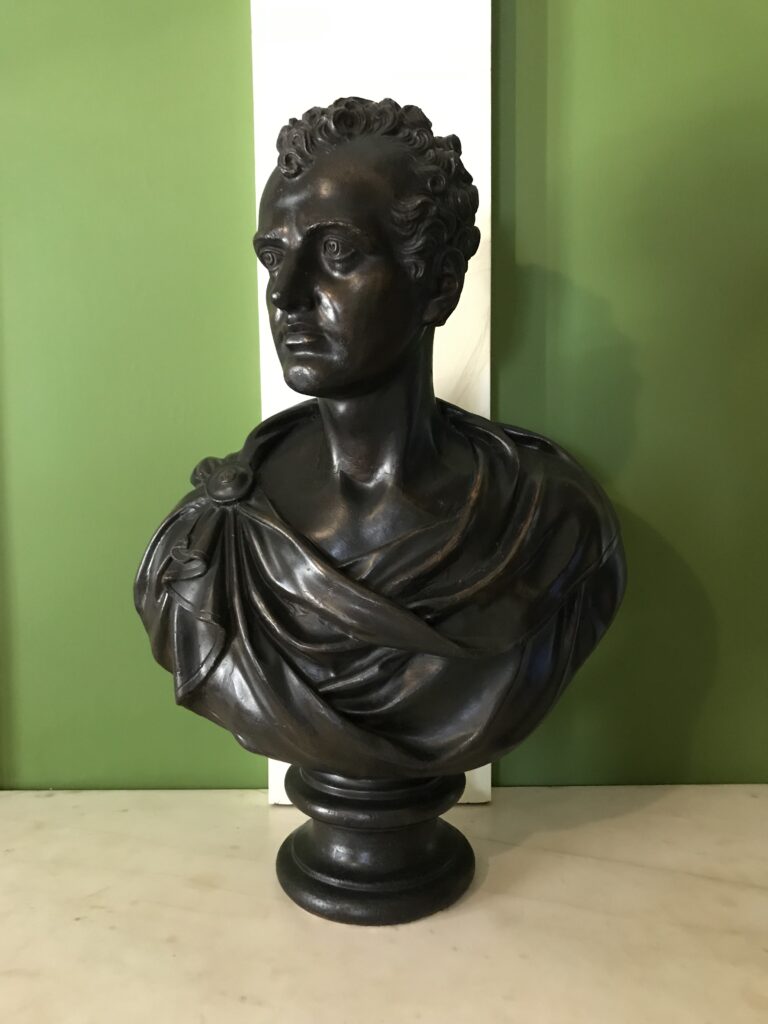
Chivalry was upheld by enslavers as a means to fashion themselves nobly despite participating in the barbarity of American slavery. The relationship between master and serf is not central to the novel, yet that aspect that appealed to men like Owens. Paternalism was one of the main crutches used by proslavery advocates to validate the institution of human chattel. In his 1883 book Life on the Mississippi Mark Twain remarked: “It was Sir Walter Scott that made every gentleman in the south a major or a colonel, or a general or a judge, before the war; and it was he, also, that made these gentlemen value these bogus decorations. For it was he that created rank and cast down there, and also reverence for a cast, and pride and pleasure in them.” By including larger cultural narratives like this one in our tours, we can help visitors place the historical characters of our house museums into a broader American story.
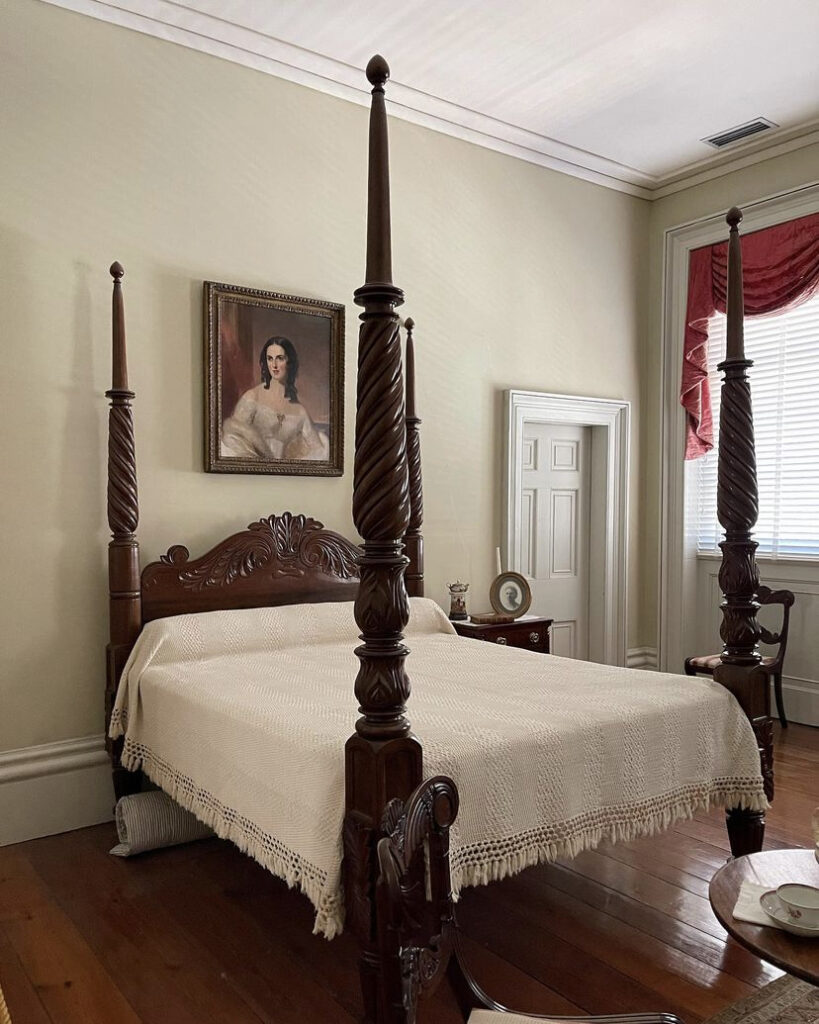
Tours at the Owens-Thomas House traditionally interpreted this space as a children’s bedroom (the primary bedroom is in another part of the house). Visitors on the tour would typically learn about the six children the Owens had here, but usually only details about their later lives as adults. Who did they marry, which children inherited the house, what happened the the descendants of the original owners are the facts visitors learned. But who raised the children of George and Sarah Owens?
After reexamining family letters and other primary documents the curators and interpreters began sharing the stories of an enslaved woman named Emma. She was the primary caregiver for the Owens children, and in that role she would have spent more time with them than either of their biological parents. Raising them to be proper young women and men put her in a precarious place. Tasked with raising them, these children were also taught from a young age by their parents and society that people like Emma were inferior and were to be irate as property. The only known biological relationship between any enslaved people at this site existed between Emma and her daughter, but caring for her own child fell lower in priority than caring for the children of her enslavers. Interpersonal dynamics like this can open the door to understanding the nuanced and complicated stories of history.