Only recently have house museums begun to question their traditionally accepted (and largely uncontested) versions of history. Few before this current decade were actively interpreting their full histories, and fewer among those who did so were fully incorporating histories of enslavement in particular into their “normal” tours or public programming that a typical visitor to the museum would experience such as the Schuyler Mansion State Historic Site, the Tullie Smith Farm at the Atlanta History Center , and the Aiken-Rhett House of the Historic Charleston Foundation. Scholarship on slavery has existed for a long time and generations of scholars have researched the topic, most notably Daina Ramey Berry (2014, 2017, 2018), Dana Byrd (2015, 2016), Nikole Hannah-Jones (2021), Leslie M. Harris (2014, 2018), and Tiya Miles (2020). But this scholarship has not always informed house museum professionals’ curation of their sites until now. African American scholars, curators, and educators have long contributed to the field on the topics of enslavement and African American material culture, and those contributions should be acknowledged.
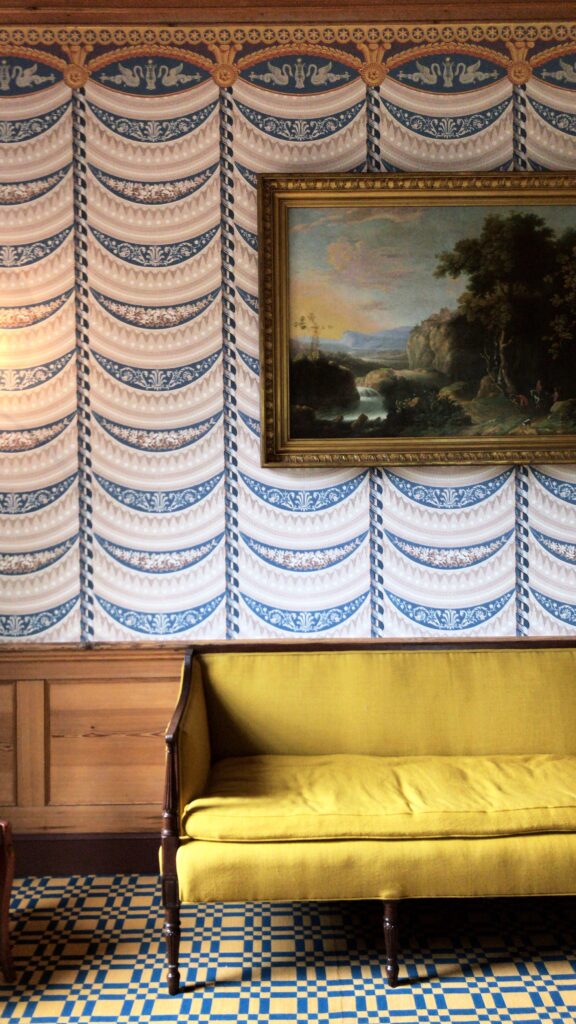
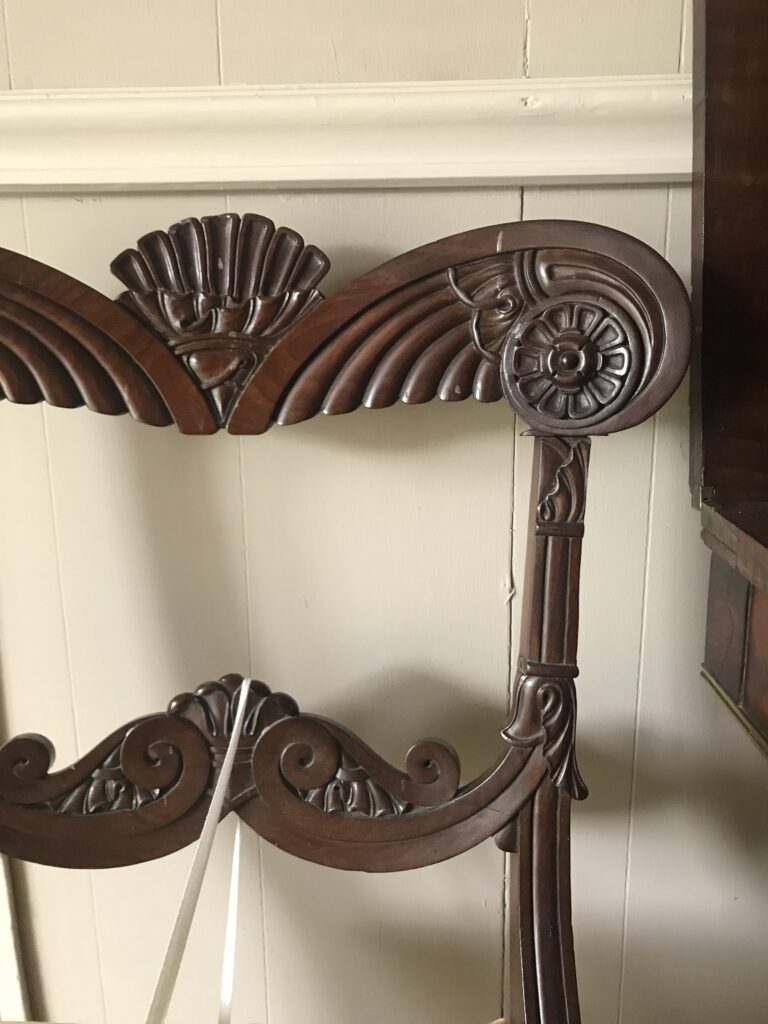
In the field of decorative art and material culture, scholars use historical research to unravel the untold stories of objects. Museum collections allow us unpack the nuanced materialities of slavery as scholars like Tiya Miles (2022), Dana Byrd (2015, 2016), John Michael Vlach (1993), and others have done. There may be things within a collection made and crafted by enslaved carpenters, silversmiths, or other craftspeople. Online resources such as the Slave Dwelling Project founded by Joe McGill and the Black Craftspeople Digital Archive (BCDA) co-founded by Torren Gatson and Tiffany Momon have further enhanced this field of scholarship. The BCDA has done especially important work of documenting not only free and enslaved African American craftspeople, but connecting those names to places and objects. As traditional archival resources are made increasingly more available to the public through the digital humanities, projects like these can be of great value to house museums around the country as they begin to do the work of telling their incomplete histories.
Building relationships with outside collaborators can add invaluable depth to museum education and interpretation. In some instances members of the public who fall outside of the museum profession have contributed to house museums’ engagement with the history of slavery. Of particular note is that of Montpelier, the plantation once owned by President James Madison about thirty miles from Charlottesville, Virginia. The Montpelier Descendants Committee has been an active part of the life of that plantation museum for several decades (despite recent headlines since 2021). At the 2018 National Summit on Teaching Slavery members from this descendant group came together with educators, curators, scholars, activists, and museum and historic site practitioners to produce The Rubric on Engaging Descendant Communities, an indispensable guide to lead museums in building relationships, conducting accurate historical research, and creating inclusive interpretation.
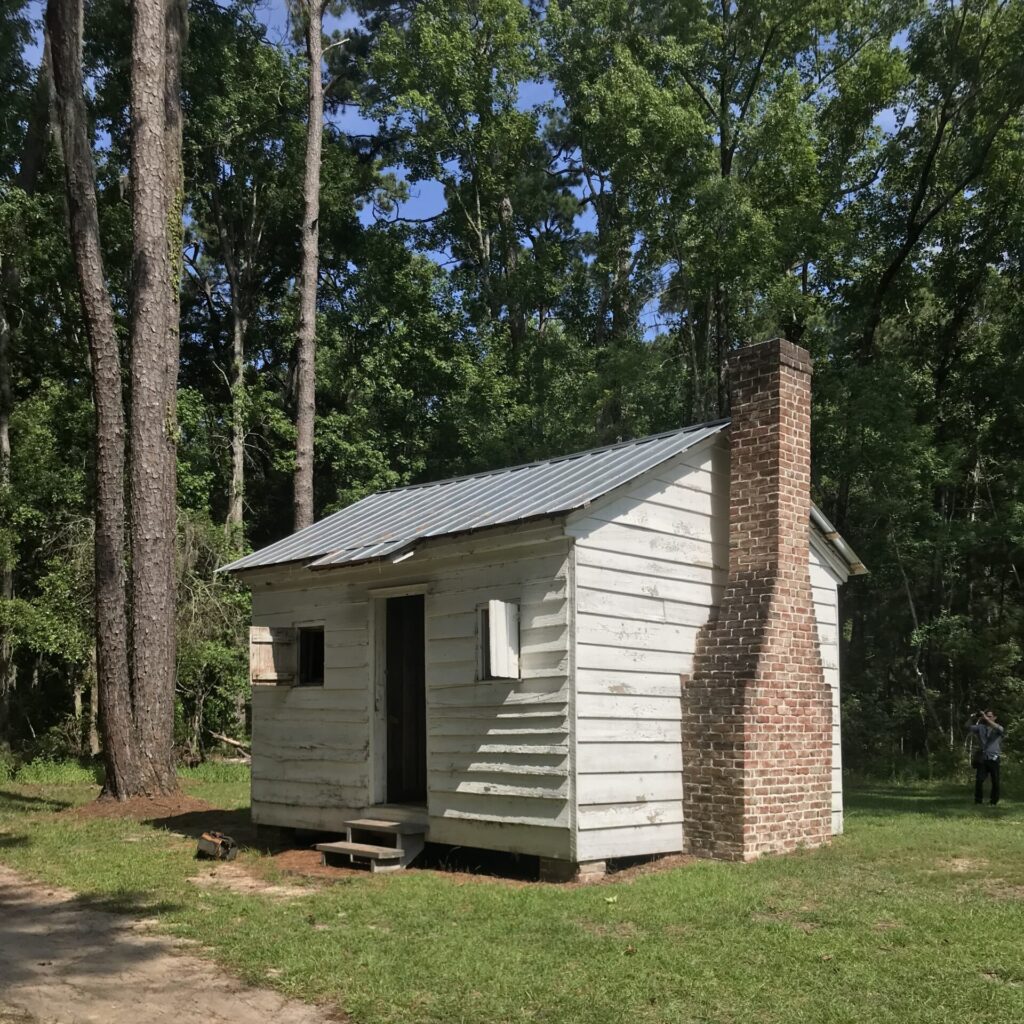
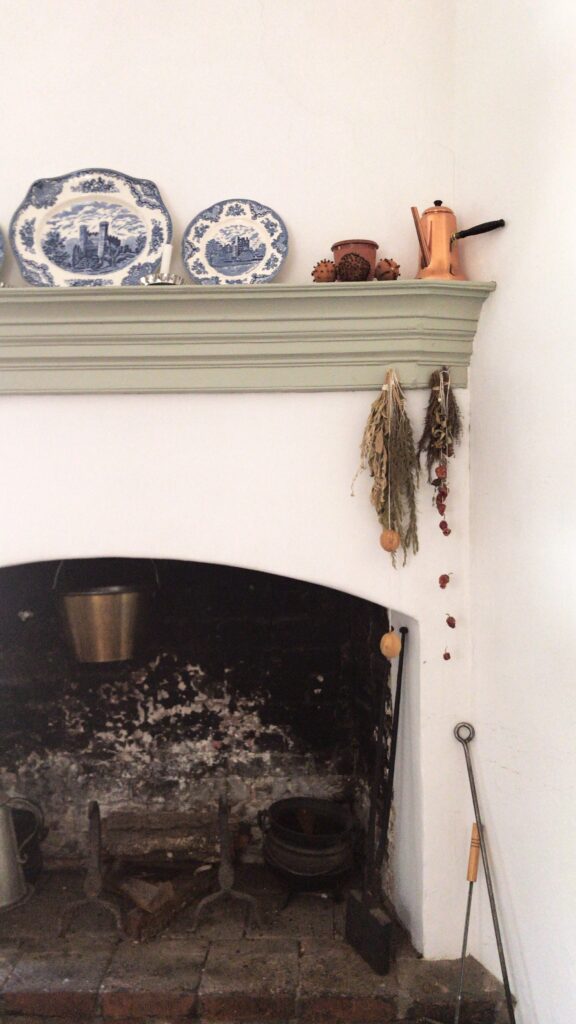
In doing this work museums and the histories they exhibit can trigger resistance, resentment, and outright disbelief, among visitors, donors, volunteers, staff, and community members. Confronting this history head on and its legacies for the public can, at certain times, require a lot of emotional labor on the part of museum staff which cannot be wholly addressed simply by reading a handful of scholarly books and articles or attending one or several training sessions led by an experienced facilitator. Mindfulness, loving-kindness, and intentional actions are not only for the yoga studio. They are tools that can help us help ourselves and others in facing these difficult histories that have been neglected. Resmaa Menakem (My Grandmother’s Hands, 2017), Rhonda V. Magee (The Inner Work of Racial Justice, 2019), and Dolly Chugh (A More Just Future, 2022) are a few who provide these tools for doing the inner work that must be done. Story telling of this sort begins with the recognition that the history of slavery within our country is broader and deeper than the status quo of public memory would suggest, and that far more places within our cultural landscapes have a historic connection to slavery than most Americans realize. Inaccurate public memory of slavery complicates this history and its interpretation, as does the fact that this story involves the unpleasant acknowledgement of instances of trauma, violence, and oppression. For this reason it is imperative that those in the field of house museums doing this work engage with contemporary writers and scholars whose work addresses the head and the heart.